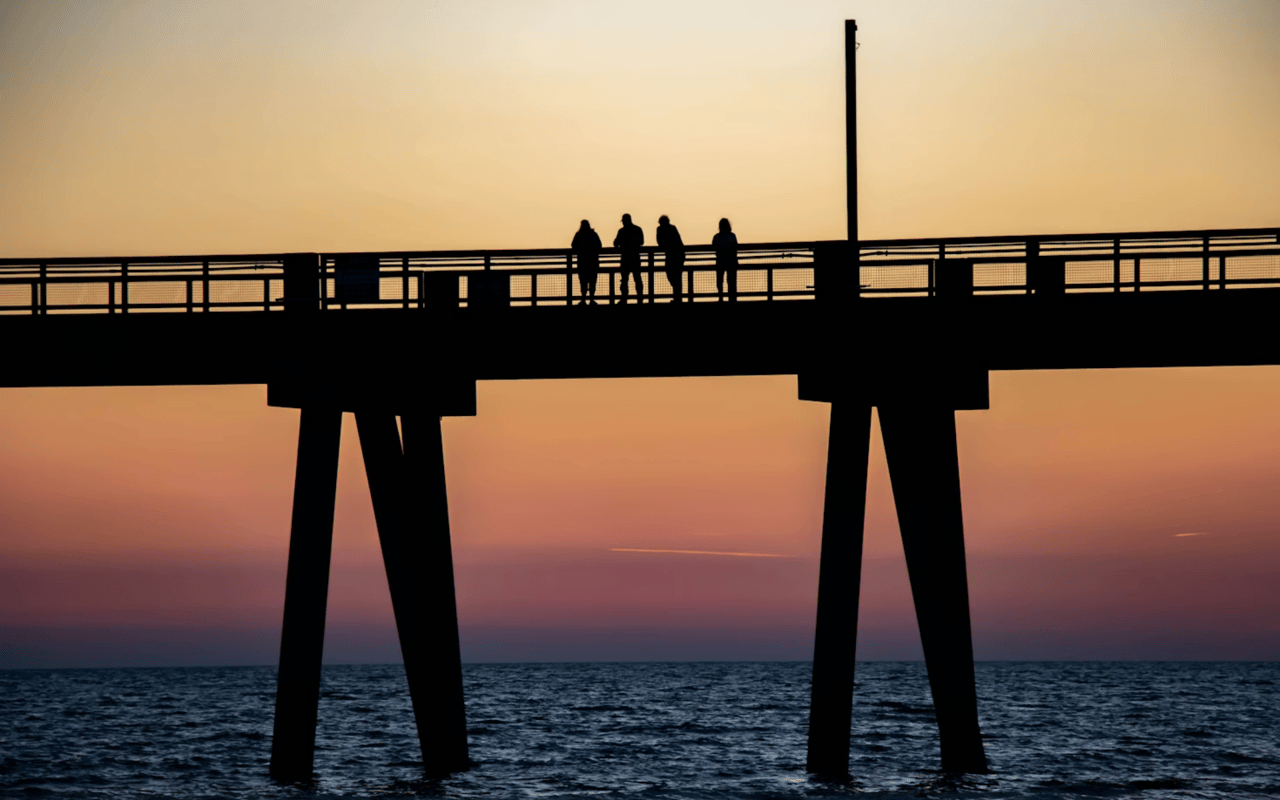
The history of Destin reflects a transition from a small fishing settlement to one of the most recognized resort towns along Florida’s Emerald Coast. The Gulf of Mexico, the East Pass, and the changing needs of residents, fishermen, and visitors have shaped its development. Understanding this evolution highlights how geography, industry, and community planning have shaped the modern city as we know it today.
Early Settlement and Geographic Foundations
Destin’s earliest roots can be traced to the region’s Indigenous populations, who utilized the coastline for fishing and seasonal settlement. European explorers later mapped the northern Gulf Coast, but permanent structures did not appear in Destin until the mid-1800s. The natural formation of the East Pass, which connects Choctawhatchee Bay to the Gulf, shaped where early settlers built homes and docks.
Leonard Destin, a fisherman from New London, Connecticut, arrived around 1845 and established a small settlement near the East Pass. His presence marked the beginning of a structured fishing community, with homes clustered near the water to support daily work routines. The settlement’s location allowed direct access to the Gulf’s fishing grounds and quick passage back into the bay.
Emergence of a Dedicated Fishing Village
By the late nineteenth century, the area supported a growing group of fishermen who relied on the Gulf’s abundant species. Mullet, snapper, and grouper were among the most common catches. Residents built fish houses along the shore for cleaning, salting, and preparing fish for transport. These early structures served as community hubs, reflecting the town’s focus on maritime work.
The fishing village operated with a practical layout. Unpaved lanes connected homes, docks, and work sheds. Boats were anchored along the beach or tied to simple piers. Generations of local fishermen have developed techniques that are still recognized today, helping to define the early history of Destin.
The Development of the East Pass and Its Importance
The East Pass has played a significant role in shaping Destin’s growth. Natural shifts in sand and current made the channel unstable in the early years, creating challenges for boats entering and exiting the Gulf. To maintain consistent access, the U.S. Army Corps of Engineers began managing the pass through dredging and stabilization.
A reliable East Pass supported larger fishing fleets, commercial boats, and eventually recreational vessels. The pass also became central to tourism, providing views of boat traffic from the Destin Harbor Boardwalk and supporting the decades-long expansion of marina activity. Without the East Pass, Destin’s evolution into a resort destination would have been far slower.
The Rise of the Destin Fishing Fleet
By the early twentieth century, Destin had earned a reputation as a robust fishing community. The development of larger boats and improved navigation increased the range and volume of daily catches. In the 1930s and 1940s, Destin’s fishing fleet gained regional recognition for consistent productivity and skilled captains.
The annual Destin Fishing Rodeo, established in 1948, became a defining event. It attracted anglers nationwide and showcased the community’s maritime identity. The rodeo still operates each October and remains one of the longest-running fishing competitions on the Gulf Coast.
Transition to Early Tourism
Tourism began influencing Destin’s growth in the mid-twentieth century. Improved road access across the Florida Panhandle brought visitors seeking beaches and fishing charters. In 1935, the Destin Bridge opened, offering direct travel from the mainland and eliminating the need for ferry crossings. This development marked a turning point, making it easier for tourists to reach the area for day trips and more extended stays.
Fishing charters were among the first tourist-oriented businesses to emerge. Captains adapted their skills to serve visitors who wanted access to the Gulf waters. Simple cottages and small motels began to open near the shoreline, offering accommodations to travelers who previously had limited lodging options.
The Construction of the Mid-Bay Bridge and Expanded Development
The 1993 opening of the Mid-Bay Bridge significantly changed the flow of visitors into Destin. It connected the city to Niceville and northern Okaloosa County, reducing travel time and expanding the local economy. New residential developments, shopping centers, and resort properties followed as access improved.
HarborWalk Village was developed along the Destin Harbor, bringing restaurants, retail spaces, and entertainment venues to the waterfront. This redevelopment strengthened the city's tourism while preserving views of the working fishing fleet.
Emergence of Beach Resorts and Vacation Communities
By the late twentieth century, Destin’s white-sand beaches and clear waters gained national attention. High-rise condominiums appeared along the shoreline, including properties along Scenic Highway 98 and Highway 30A in the neighboring communities of Miramar Beach and Sandestin. Resorts such as Silver Shells and Sandestin Golf and Beach Resort attracted vacationers seeking full-service amenities and modern accommodations.
These developments helped shift the local economy from a fishing-centered to a tourism-dominated one. Restaurants, charter companies, rental agencies, and retail businesses proliferated. Despite this shift, the city preserved elements of its fishing identity, maintaining charter docks and supporting long-standing events tied to its maritime history.
Environmental Stewardship and Waterfront Preservation
As growth accelerated, the city adopted measures to preserve the coastline and waterways. Efforts included managing beach renourishment, supporting bay conservation, and monitoring boat traffic within the harbor. The goal was to balance tourism expansion with long-term environmental stability.
Organizations and local partnerships contributed to public events, educational initiatives, and coastal protection programs. These efforts ensure that the clarity of the Gulf waters and the integrity of the beaches remain part of the region’s future.
Find Your New Place in Destin
The rich history of Destin tells a story of adaptation, coastal resourcefulness, and transformation rooted in the Gulf’s natural landscape. The evolution from a small fishing settlement to a nationally recognized resort town reflects both the community's resilience and its continued appreciation for the environment that shaped it.
Yvonne Summerfield offers guidance to buyers and sellers interested in exploring Destin’s real estate opportunities and its unique blend of past and present.
Whether you're retiring, relocating for work, upgrading from your current home, or investing in a second residence, contact experienced luxury broker Yvonne Summerfield today to start your Destin real estate journey.